 visitkiato.com
Stymphalia Environment Museum: A Journey of Nature and Myth
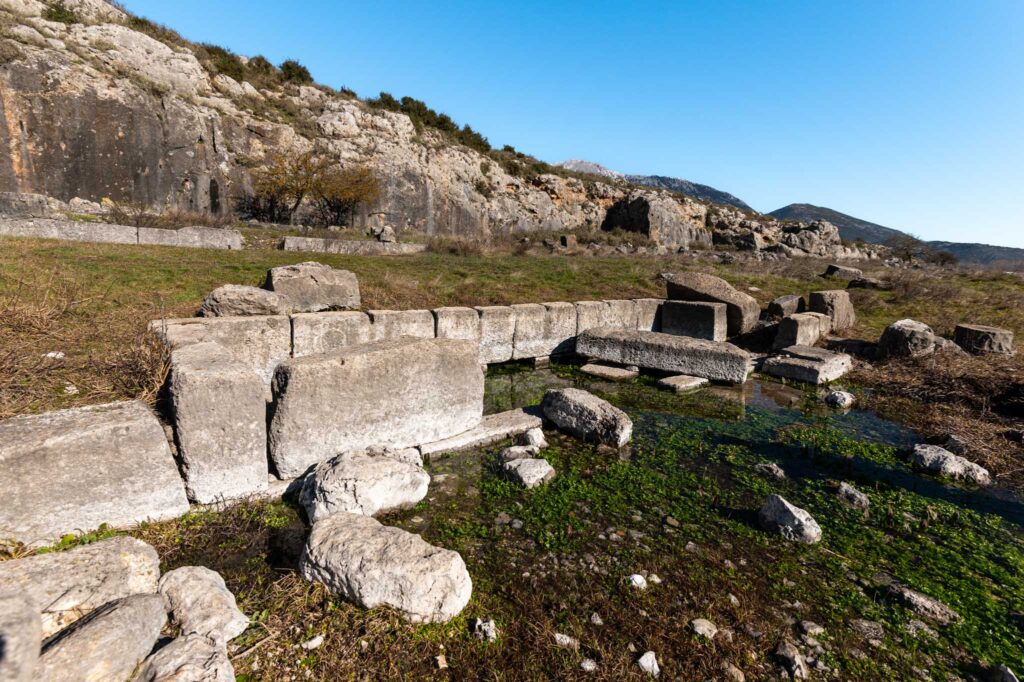
In the heart of mountainous Corinthia, where ancient myth blends seamlessly with untouched nature, the Stymphalia Environment Museum stands as a contemporary landmark of culture and ecology. It is one of Greece’s most specialized museums, moving beyond a simple display of artifacts to tell the story of human survival within a unique ecosystem over thousands of years. Part of the Piraeus Bank Group Cultural Foundation (PIOP) network, this museum serves as the perfect gateway for anyone wishing to explore the region of Sicyonia and the hidden secrets of Lake Stymphalia.
For visitors staying in or passing through Kiato, the museum represents one of the most rewarding day trips in the Peloponnese. It offers a rare opportunity to understand how the environment has shaped local traditions, economy, and mythology, providing a deep, intellectual context to the stunning natural beauty of the Corinthian highlands.
Architecture that Respects the Landscape
Perched on a hillside overlooking the reeds and waters of the lake, the museum building is an architectural marvel in its own right. Designed by the architects Tasis Papaioannou and Dimitris Isaias, the structure was built with absolute respect for the environment. It utilizes natural materials such as local stone and wood, allowing it to blend into the earthy tones of the surrounding slopes. Large glass facades are a central feature of the design, ensuring that natural light floods the interior while providing visitors with a constant visual connection to the lake.
The architecture manages something rare: the building feels as though it is emerging from the ground. The layout leads visitors through a series of spaces that culminate in a magnificent wooden balcony. This observation deck offers an unobstructed view of the lake basin and the surrounding peaks of Mount Zereia and Mount Oligyrtos. Standing here, you can feel the mountain breeze and hear the rustle of the reeds, making the landscape itself the museum’s most important “living exhibit.”
The Permanent Exhibition: Humanity and Nature
The primary goal of the Stymphalia Environment Museum is to highlight the interdependence of man and nature in this specific region. The exhibition is organized into thematic sections that cover ecology, history, and the traditional pre-industrial economy of the Stymphalia basin.
The Ecological Value of Lake Stymphalia
Stymphalia is the southernmost mountain lake in the Balkans and one of the most significant wetlands in the Peloponnese. It is a protected area under the Natura 2000 network, serving as a vital stop for migratory birds. Inside the museum, interactive displays and detailed panels explain the biodiversity of the area. One of the most fascinating stories is that of the Pelasgus stymphalicus (Daska), an endemic fish species that has evolved a remarkable survival mechanism: when the lake dries up during periods of drought, the fish buries itself in the mud, entering a state of hibernation until the waters return.
The museum also emphasizes the importance of the lake’s karst geology. The “sinkholes” (katavothres) of Stymphalia have fascinated observers since antiquity, as they provide the natural drainage system for the entire plateau, carrying water through underground rivers all the way to the springs of Erasinos in Argolis.
Traditional Professions and the Lacustrine Lifestyle
A significant portion of the museum is dedicated to the traditional ways of life that once thrived around the lake. Through authentic tools, audiovisual material, and life-sized models, visitors can discover how the locals harnessed the lake’s resources without destroying them:
- Traditional Fishing: Learn about the “monoxyla”—special flat-bottomed boats designed to navigate the shallow, reed-choked waters—and the specific nets used to catch local fish.
- Agriculture and Livestock: The exhibition details how the surrounding plains were cultivated and the importance of transhumance—the seasonal movement of livestock between the summer mountain pastures and the winter lowlands.
- Basketry and Reed-work: The reeds of the lake were not just a feature of the landscape but a primary raw material. You can see how these were woven into baskets, mats, and even parts of traditional dwellings.
The Indoor Aquarium
Perhaps the most popular feature for families and nature enthusiasts is the large indoor aquarium. It is designed as a cross-section of the lake at a 1:1 scale, faithfully representing the underwater world of Stymphalia. Here, you can observe the local fish species and the complex aquatic vegetation, gaining a better understanding of the delicate balance required to keep this closed ecosystem healthy.
Mythology and History: Beyond the Labors of Hercules
No visit to Stymphalia is complete without a nod to Hercules and the Stymphalian Birds. The hero’s sixth labor, where he used bronze castanets to startle and then shoot the man-eating birds with his arrows, is inextricably linked to this location. The museum approaches this myth with a fascinating ecological lens, suggesting that the “birds” may have been a metaphor for the symptoms of malaria or the harsh, swampy conditions that early inhabitants had to overcome to make the area habitable.
Beyond mythology, the museum provides context for the rich archaeological history of the area. A short distance from the museum lie the ruins of Ancient Stymphalos, a city-state that flourished in the 4th century BC. Furthermore, the museum highlights the Frankish period through the Zaraka Monastery. Located just across the road from the museum, this 13th-century Cistercian abbey is a rare example of Gothic architecture in Greece, built by Western monks during the Crusader period using stones from the ancient city.
Practical Details for Your Visit
The Stymphalia Environment Museum is an accessible and educational destination, but a little planning goes a long way toward making the most of your trip.
How to Get There from Kiato
The drive from Kiato is one of the most scenic routes in Corinthia. As you leave the coast and head into the mountains towards Stymphalia and Feneos, you will pass through lush vineyards and pine-covered slopes. The journey takes approximately 35 to 40 minutes by car. The road is well-maintained but contains several winding sections, so drive carefully and enjoy the evolving views as you ascend to the plateau. There is ample parking available at the museum site.
When to Visit
The museum and the lake offer a different experience depending on the season:
- Spring (March to May): This is the peak season for birdwatching. The lake is full, the surrounding mountains are green, and the air is filled with the calls of migratory birds.
- Autumn (September to November): The landscape turns to shades of gold and ochre. The atmosphere is often misty and atmospheric, perfect for photography and quiet reflection.
- Winter: If you visit after a snowfall, the sight of the frozen lake edges against the white peaks of Zereia is truly Alpine. The museum’s interior is warm and cozy, offering a great escape from the cold.
Facilities and Accessibility
The museum is fully accessible to people with mobility issues, with ramps and elevators connecting all levels. There is a charming gift shop stocking books, educational toys, and local products. Additionally, a small cafe on-site allows you to enjoy a coffee or snack with a panoramic view of the lake, making it a perfect spot for a break before heading back to Kiato or deeper into the mountains.
Local Tips for a Complete Experience
To turn your museum visit into a full-day adventure, consider these local recommendations:
- Hiking Trails: Several marked trails begin near the museum. One of the most popular is a gentle path that leads down to the lakeshore and through the archaeological site of Ancient Stymphalos.
- The Zaraka Monastery: Don’t just look at it from the museum balcony. Walk over to the ruins to see the impressive Gothic arches and the peaceful surroundings of the monastery.
- Gastronomy: The village of Stymphalia is famous for its traditional tavernas. Be sure to try the local spit-roasted lamb or “gournopoula” (roast piglet), which are staples of the region’s mountain cuisine.
- Photography: For the best light, visit the museum in the late afternoon. The sunset over the lake, viewed from the museum’s terrace, is spectacular.
Why It Is Worth the Visit
The Stymphalia Environment Museum is more than just a building full of exhibits; it is a bridge between the past and the present. It reminds us that culture is not separate from nature, but rather the result of our long-standing relationship with it. In the heart of Sicyonia, this museum succeeds in raising environmental awareness while simultaneously taking us on a journey through the history and traditions of mountainous Corinthia. Whether you are a history buff, a nature lover, or a family looking for a high-quality educational experience, Stymphalia is a destination that should be on every Corinthian itinerary.
Planning your visit to Kiato?
Visit Kiato is the travel guide for the region — hotels, tavernas, wineries and things to do, all in one place.
Things to do there — Kiato & Corinthia
Optional tours, tickets and activities for your days here — you choose what suits you.
Activities, experiences and local guides — book ahead and skip the queues.
See options →A guided day with transport from Athens to Ancient Corinth and Nafplio, with free cancellation. Also: Corinth Canal & wine tasting, Ancient Corinth half-day
See options →Compare prices from all the major rental companies, with free cancellation on most offers. Also: Loutraki, Nafplio, Argos
See options →Activities are provided and sold by our partners. You complete the booking on their own page, at exactly the same price.
Scan to open the page with maps, photos and updates.
Printed on: 16/10/2026