
05/10/2025· Blog
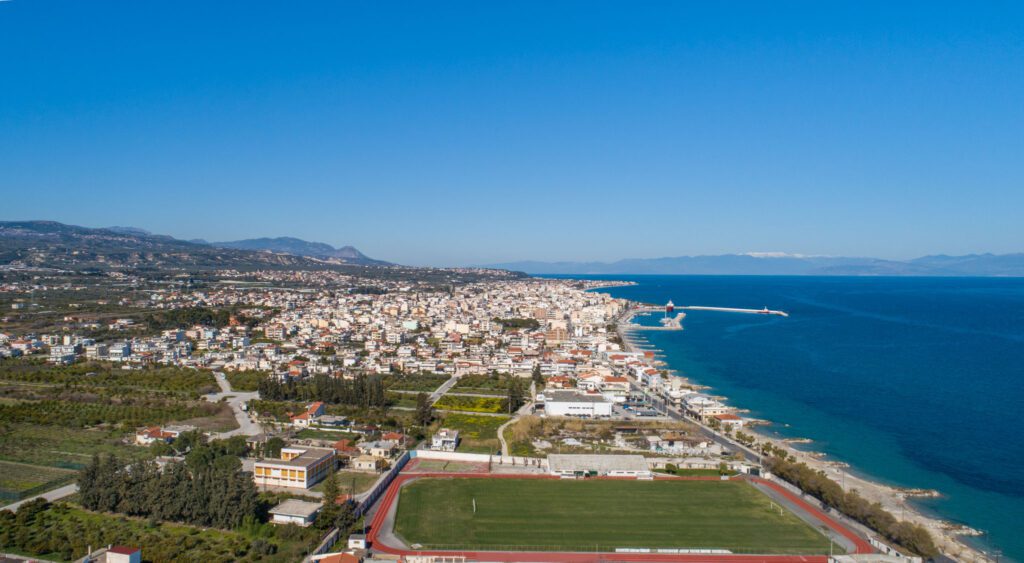
5 reasons to visit Kiato
Seaside, steeped in history and with the mountains right behind it — Kiato is the ideal base for Corinthia.
- The beach & harbour. A stroll along the seafront, coffee and fresh fish.
- Ancient Sikyon. Theatre, agora and museum, just outside town.
- Lakes & villages. Stymphalia, Doxa and dozens of mountain villages — see them in Excursion to the villages.
- Food & wine. Local olive oil, wine and Corinthian currants.
- Trails. Hiking and cycling for every level.
Take a look at the interactive map too.
Unearthing the Cultural Depth of Ancient Sikyonia
Beyond the physical ruins of the theatre and the agora, Ancient Sikyon holds a prestigious place in the annals of Western art. For centuries, this city-state was considered the artistic capital of Greece. It was here that the Sicyonian School of painting was founded, introducing revolutionary techniques in perspective and color that would influence the entire Mediterranean world. Renowned masters like Eupompus and Pamphilus taught their craft here, emphasizing a scientific approach to art that required students to study mathematics and geometry alongside their brushes.
The city was also the birthplace of Lysippos, one of the three greatest sculptors of the Classical era and the personal portraitist of Alexander the Great. When you walk through the archaeological site today, you are walking through the same streets that cultivated the genius responsible for defining the visual image of the Hellenistic age. The museum, housed in a partially restored Roman bath, showcases delicate pottery, intricate mosaics, and marble sculptures that reflect this long-standing dedication to aesthetic excellence.
The Great Theatre of Sikyon
While many visitors come to see the theatre for its size—it remains one of the largest in ancient Greece—it is the engineering that truly captivates. Carved into the side of a natural hill with the Gulf of Corinth as its backdrop, the theatre served as both a cultural and political hub. Standing in the center of the orchestra, you can still appreciate the acoustic precision that allowed thousands of citizens to hear the plays of Sophocles or the heated debates of the Achaean League. The surrounding site, often quieter than its more famous neighbors in the Argolid, offers a peaceful atmosphere where the layers of Hellenistic and Roman history feel immediate and untouched.
The Mythical Waters of Stymphalia
High in the mountains of Sikyonia lies Lake Stymphalia, a place where myth and ecology converge in a dramatic limestone basin. This is the site of Hercules’ sixth labor, where the hero used bronze castanets to startle the man-eating Stymphalian birds before shooting them down. Today, the lake remains a vital stopover for migratory birds, though the “monsters” have been replaced by over 160 species of avian life, including rare eagles and herons.
The landscape here is distinct from the coastal palms of Kiato. The air is crisp, and the lake is surrounded by lush reeds and the dark green slopes of Mount Zireia and Mount Oligyrtos. The changing water levels throughout the year create a shifting mosaic of wet meadows and deep pools, making every visit a unique visual experience. It is a protected Natura 2000 site, recognized for its fragile and beautiful ecosystem.
The Environment Museum of Stymphalia
Perched on a hillside overlooking the water is the Environment Museum of Stymphalia. This architectural gem is designed to blend seamlessly into the landscape, using wood and stone to mirror the natural environment. Inside, the exhibits trace the relationship between man and nature in the region over thousands of years. You can learn about the traditional professions of the lake—fishing with specialized wooden boats, reed weaving, and livestock farming—while looking through large glass windows that frame the very lake being described. It is an essential stop for understanding how the geography of Sikyonia shaped the culture of its people.
A Journey Through the Uplands: The Mountain Villages
The ascent from the coast to the interior of Sikyonia reveals a landscape of rugged beauty and traditional charm. The villages here are not merely scenic backdrops; they are living communities where the rhythms of agricultural life persist. As you climb, the lemon and orange groves of the coast give way to expansive vineyards and, eventually, dense forests of fir and black pine.
- Kryoneri: Known for its exceptional climate and panoramic views, this village has become a hub for agro-tourism and scientific interest. It is home to an astronomical observatory that utilizes the clear, unpolluted mountain skies. The village square, shaded by ancient plane trees, is the perfect spot to sample local honey and artisanal cheeses.
- Kaisari: Nestled in a verdant valley, Kaisari is famous for its “Kaisari Forest,” a lush expanse of greenery that offers cool sanctuary even in the height of summer. The village is a gateway for those looking to explore the deeper wilderness of the Sicyonian mountains.
- Titani: Located near the borders of the municipality, Titani sits close to the site of the ancient Acropolis of Titane. According to tradition, this was a place of healing, home to a temple of Asclepius. The modern village offers a sense of total seclusion and stunning views toward the Nemea valley.
- Klimenti and Velina: These higher-altitude villages are renowned for their production of high-quality beans and potatoes, crops that thrive in the rich mountain soil. The architecture here is characterized by stone-built houses and narrow alleys that evoke a sense of bygone Greece.
The Coastal Identity: Kiato and the Pefkias Forest
The heart of Sikyonia’s modern life is Kiato, a town that balances its role as a busy commercial center with its identity as a seaside resort. The seafront is the soul of the town, where locals gather for the evening “volta” (stroll). The harbor remains an active part of the community, with fishing boats bringing in the daily catch that ends up on the tables of the tavernas lining the shore.
One of the most unique features of the Kiato coastline is the Pefkias. This natural pine forest stretches along the beach, providing a rare combination of deep forest shade and salty sea air. It is a favorite spot for walkers and joggers, offering a cool, scented corridor that runs parallel to the blue waters of the Gulf. The interplay between the dark green of the pines and the turquoise of the sea creates a color palette that is quintessentially Corinthian.
The Flavors of the Sicyonian Land
The fertility of the Sicyonian plain and the surrounding hills has made the region a gastronomic powerhouse since antiquity. The “Lemon Valley” near the coast is famous for producing some of the most fragrant citrus fruits in Greece. These lemons are not just an export; they are a staple of the local kitchen, used to brighten everything from fresh grilled fish to the hearty lamb stews of the mountains.
However, the true “black gold” of the region is the Corinthian currant. These small, seedless grapes are sun-dried on traditional wooden racks throughout the late summer. The resulting raisins are packed with flavor and history, having been a primary export of the region for centuries. In the higher elevations, the focus shifts to viticulture. The vineyards of Sikyonia produce robust wines that benefit from the cooling mountain breezes and the mineral-rich soil, bridging the gap between the coastal plains and the famous wine regions of nearby Nemea.
Monastic Serenity and Historic Churches
The spiritual heritage of Sikyonia is etched into the mountainsides in the form of historic monasteries and Byzantine chapels. These sites were often built in locations of incredible natural beauty, serving as places of refuge and contemplation.
The Monastery of Lechova, situated on the slopes of Mount Vesiza, is a prime example. Surrounded by a dense forest of pines and firs, the monastery dates back several centuries. Its katholikon is adorned with impressive frescoes and an ornate iconostasis. The quietude of the monastery, broken only by the sound of the wind through the trees, offers a different perspective on the region—one of peace and enduring faith. Throughout the municipality, smaller stone chapels dot the landscape, often marking the sites of ancient springs or offering a resting place for hikers along the old donkey paths that once connected the villages.
See it on an organised trip
Organised excursions by Lia’s Travel, departing from Kiato and Corinthia.
Sights & things to do nearby
All of them inside the Municipality of Sikyona — Kiato and its villages.
Take this page with you
Scan with your phone camera to open it on the go.
Things to do there — Kiato & Corinthia
Optional tours, tickets and activities for your days here — you choose what suits you.
Activities, experiences and local guides — book ahead and skip the queues.
See options →A guided day with transport from Athens to Ancient Corinth and Nafplio, with free cancellation. Also: Corinth Canal & wine tasting, Ancient Corinth half-day
See options →Compare prices from all the major rental companies, with free cancellation on most offers. Also: Loutraki, Nafplio, Argos
See options →Activities are provided and sold by our partners. You complete the booking on their own page, at exactly the same price.
Before you arrive
Land in Kiato already connected
Skip the SIM counter and the roaming bill. MyEsim is a Greek eSIM app — you set the plan up at home and it activates the minute you land, so the map works before you even leave the station. Visit Kiato readers get 10% off.
- 180+ countries
- Ready in minutes
- Support in English & Greek
Enter the code at checkout on myesim.gr. Works on iPhone XS and newer and on most Android phones from 2019 onwards.