
07/11/2025· Blog
The archaeological treasures of Sikyonia
Sikyonia is a true archaeological treasure, with monuments spanning thousands of years — all minutes from Kiato.
Ancient Sikyon
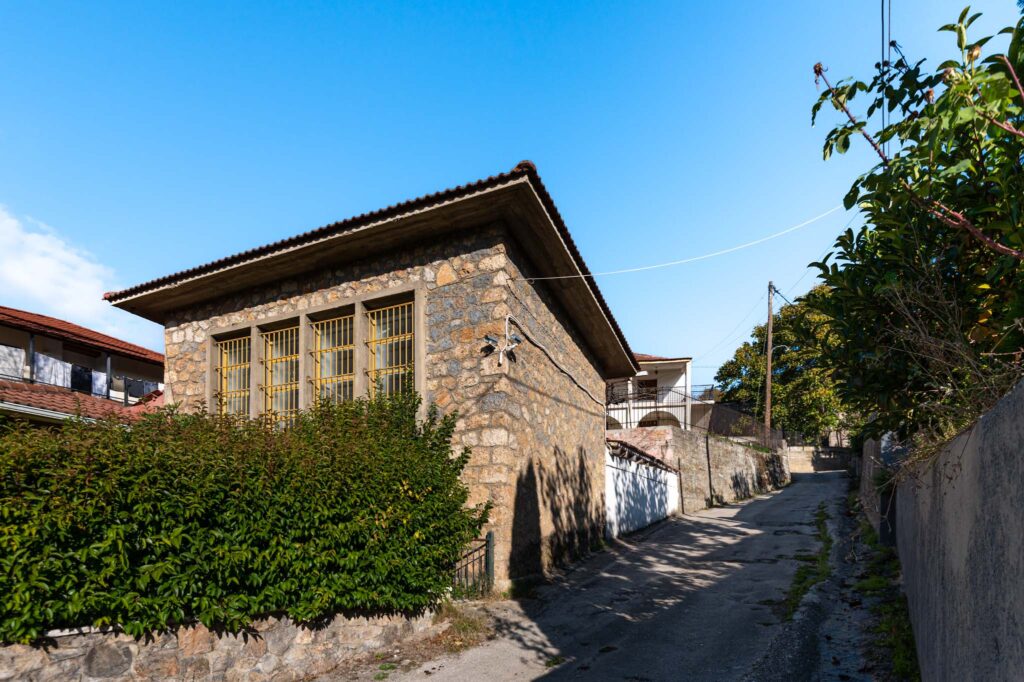
At Vasiliko, with its ancient theatre, agora and museum (entry from €2). In antiquity the city was famed for its painting and sculpture.
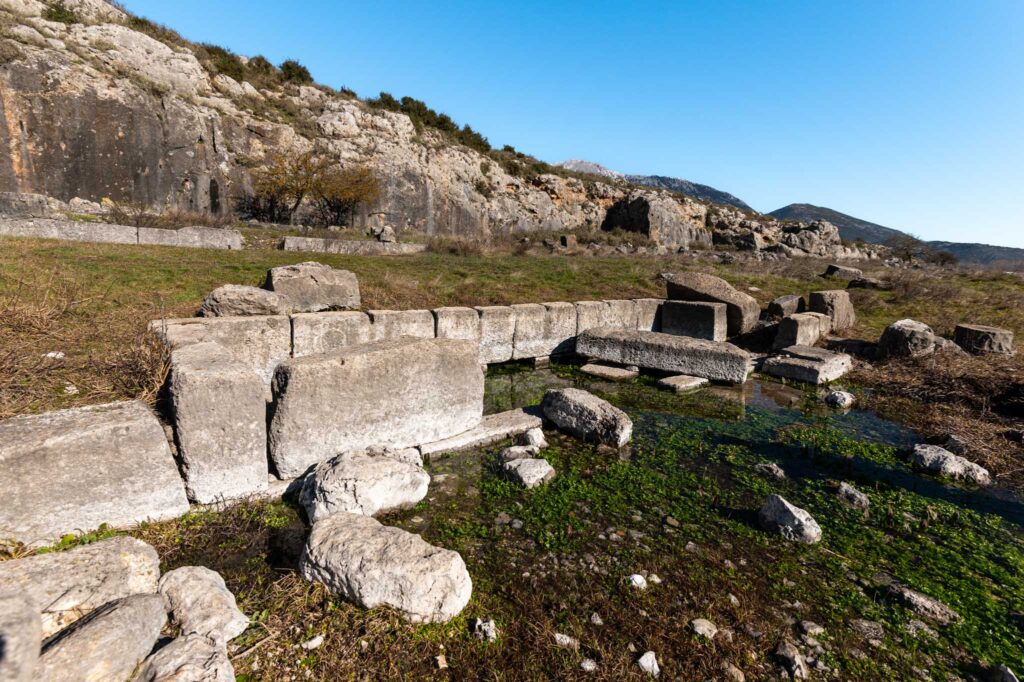
Stymphalia & Titani
The archaeological site of Stymphalia beside the mythical lake, and the ancient Asklepieion of Titani overlooking the Asopos.
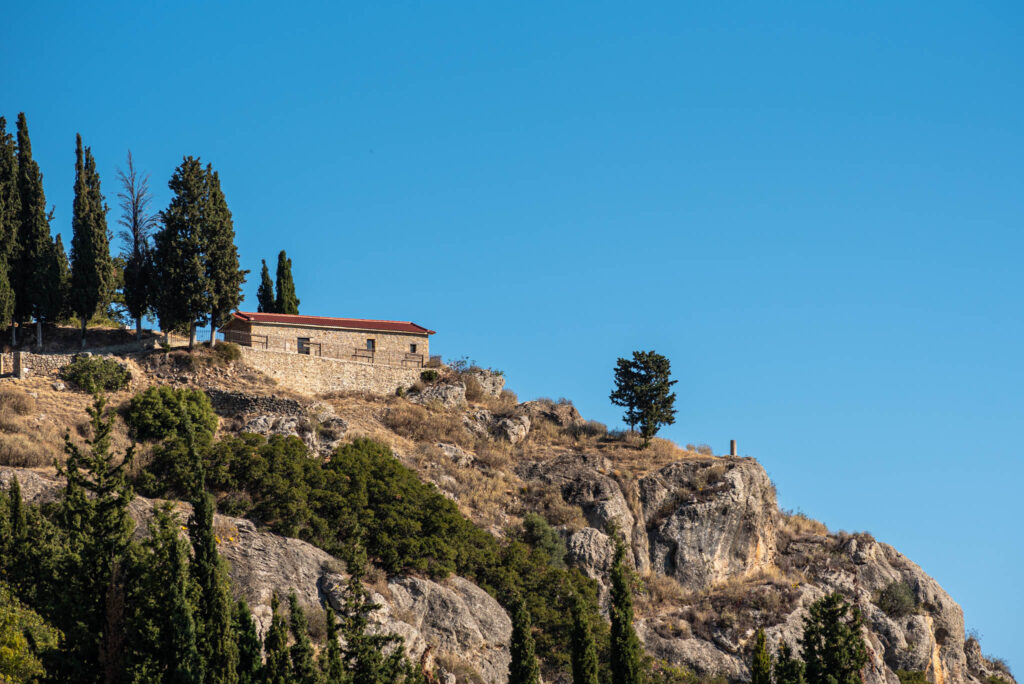
Feneos & Museums
Ancient Feneos on the mountain plateau, plus the Archaeological Museums of Sikyon & Feneos and the Stymphalia Environment Museum.
See them all with hours & entry on the Sights page.
The Architectural Grandeur of Ancient Sikyon
The Great Theatre: A Masterpiece of the Peloponnese
Standing as one of the largest and most impressive performance spaces of the ancient world, the Theatre of Ancient Sikyon is the crown jewel of the archaeological site at Vasiliko. Carved into the natural slope of the hill below the acropolis, its sheer scale provides a panoramic view that stretches across the fertile plains of Sikyonia toward the Corinthian Gulf. Unlike many contemporary theatres, the Sicyonian stage featured a sophisticated network of underground passages, including “Charonian stairs” used by actors to make dramatic appearances from the “underworld.” Walking through the stone-carved vaulted corridors today, visitors can still feel the acoustic precision that once allowed thousands of citizens to hear the works of the great tragedians.
The Roman Thermae and the Transformation of the Agora
Adjacent to the museum lies the impressive complex of the Roman Baths (Thermae). These structures offer a fascinating glimpse into the later life of the city. The surviving brickwork and vaulted ceilings showcase the Roman adaptation of the site, where a massive building was constructed using the materials and foundations of earlier Greek structures. Within the Agora, the remnants of the Bouleuterion (council house) and the long Stoa reveal the civic heart of the city. The Stoa, once a bustling hub for merchants and philosophers, retains its monumental foundations, illustrating the symmetrical urban planning for which Sikyon was renowned.
The Sicyonian School: Where Art Met Science
To understand the archaeology of Sikyonia, one must understand its influence on the aesthetic history of the world. Ancient Sikyon was the birthplace of the Sicyonian School of Painting and Sculpture, which flourished in the 4th century BC. It was here that Eupompus and Pamphilus introduced a scientific approach to art, insisting that students study arithmetic and geometry to master the proportions of the human form.
The city’s most famous son, Lysippos, was the personal sculptor of Alexander the Great. His revolutionary “Canon” of proportions replaced the older, heavier styles of the past with more slender, lifelike figures. While many of his bronze originals are lost to time, the fragments and Roman copies found throughout the region—and the very ground upon which his workshop stood—mark Sikyonia as a pivotal site for the development of Western art. The local museum houses exquisite examples of Sicyonian pottery and mosaics that testify to this enduring legacy of craftsmanship.
Stymphalia: From Classical City to Cistercian Abbey
The Sunken Secrets of the Lake
At the edge of the mythical Lake Stymphalia, the archaeological site reveals a city that was meticulously planned on a grid system. Excavations by the Canadian Institute in Greece have uncovered a wealth of information about daily life in this highland polis. Visitors can trace the foundations of houses, the theatre, and the temple of Athena on the acropolis. The site is uniquely evocative; during periods of high water, parts of the ancient walls appear to emerge directly from the reeds, blurring the line between the natural landscape and human history.
The Zaraka Abbey: A Gothic Enigma
A short distance from the ancient city stands one of the most unusual archaeological monuments in Greece: the Cistercian Abbey of Zaraka. Built in the 13th century during the Frankish occupation of the Peloponnese, it is a rare example of Western Gothic architecture on Greek soil. The monks who built the abbey utilized stone blocks salvaged from the nearby ancient Temple of Artemis. Today, the skeletal remains of the church, with its pointed arches and heavy buttresses, create a haunting silhouette against the backdrop of Mount Ziria, representing a unique intersection of Classical and Medieval history.
The Sacred Heights of Titani
Perched high above the Asopos river valley, the ancient site of Titani serves as a reminder of the region’s spiritual and medicinal past. According to mythology, the sanctuary was founded by Alexanor, the grandson of Asclepius. Unlike the sprawling medical centers of Epidaurus, Titani was an intimate mountain retreat dedicated to healing. The archaeological remains include parts of the fortification walls and foundations of the temple where a wooden cult statue (xoanon) of Asclepius once stood. The site is noted for its “clean air” and “therapeutic silence,” qualities that ancient pilgrims sought just as much as modern visitors do. The view from the acropolis of Titani offers one of the best vantage points to understand the strategic geography of the Sikyonian hinterland.
Ancient Feneos: The Acropolis of the Highlands
In the high plateau of Feneos, archaeology meets mystery. The ancient city sat atop a hill overlooking what was once a seasonal lake. Excavations have brought to light the Sanctuary of Asclepius, where remarkable finds include two colossal marble feet and a head from a cult statue, currently displayed in the local archaeological museum. These fragments suggest a monument of staggering proportions.
Beyond the temples, the area is famous for its “Katavothres”—massive natural sinkholes that the ancients believed were the work of Heracles. The archaeological remains of prehistoric dikes and drainage works in the Feneos basin show that the inhabitants were masters of hydraulic engineering, constantly battling the rising waters of the plateau to keep their farmland fertile.
Byzantine and Post-Byzantine Monuments
The archaeological story of Sikyonia does not end with the fall of Rome. The landscape is dotted with significant Byzantine structures that are treated as living archaeological sites:
- The Monastery of Lechova: Tucked away on the slopes of Mount Vesiza, this 11th-century monument features a stunning katholikon with an octagonal dome and intricate marble floor decorations.
- Panagia Vrachou: Built into the hollow of a massive rock face at Kato Tarsos in Feneos, within the Municipality of Sikyonia, this site offers a dramatic look at how medieval communities utilized the natural terrain for defense and worship.
- The Cave of Hermes: Located on the western slopes of Mount Kyllini, this cave has yielded archaeological evidence of cult activity dating back to the Neolithic period, proving that the high peaks of Sikyonia have been sacred ground for millennia.
The Sikyonian Landscape as an Open-Air Museum
What makes the archaeology of Sikyonia unique is its integration with the environment. Whether it is the coastal ruins of the ancient harbor at Kiato or the mountain fortresses guarding the passes to Arcadia, the monuments are inseparable from the mountains and valleys they occupy. Every stone in Sikyonia tells a story of a civilization that was at once a military power, a center for the finest arts, and a pioneer in understanding the relationship between humanity and the natural world.
See it on an organised trip
Organised excursions by Lia’s Travel, departing from Kiato and Corinthia.
Sights & things to do nearby
All of them inside the Municipality of Sikyona — Kiato and its villages.
Take this page with you
Scan with your phone camera to open it on the go.
Things to do there — Kiato & Corinthia
Optional tours, tickets and activities for your days here — you choose what suits you.
Activities, experiences and local guides — book ahead and skip the queues.
See options →A guided day with transport from Athens to Ancient Corinth and Nafplio, with free cancellation. Also: Corinth Canal & wine tasting, Ancient Corinth half-day
See options →Compare prices from all the major rental companies, with free cancellation on most offers. Also: Loutraki, Nafplio, Argos
See options →Activities are provided and sold by our partners. You complete the booking on their own page, at exactly the same price.
Before you arrive
Land in Kiato already connected
Skip the SIM counter and the roaming bill. MyEsim is a Greek eSIM app — you set the plan up at home and it activates the minute you land, so the map works before you even leave the station. Visit Kiato readers get 10% off.
- 180+ countries
- Ready in minutes
- Support in English & Greek
Enter the code at checkout on myesim.gr. Works on iPhone XS and newer and on most Android phones from 2019 onwards.