
15/10/2025· Blog
The mountain villages of Sikyonia
Beyond the coastline, Sikyonia stretches into mountainous Corinthia — villages full of tradition, fir trees and cool air, perfect for a getaway from Kiato.
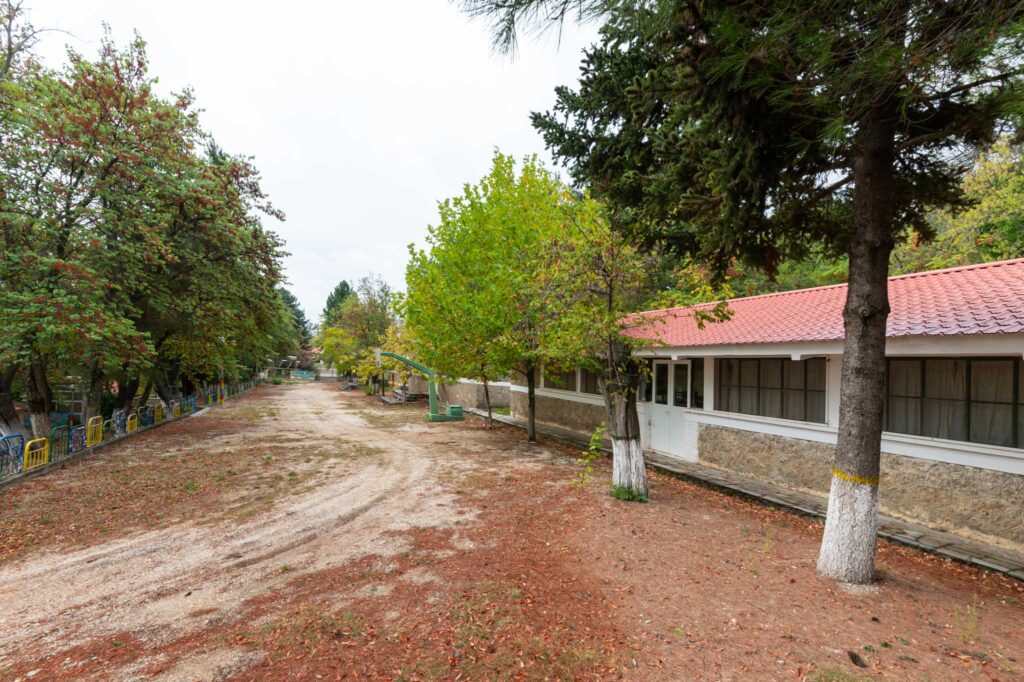
Goura
The natural base for exploring mountainous Sikyonia, with its distinctive stone mansions and mountain views.
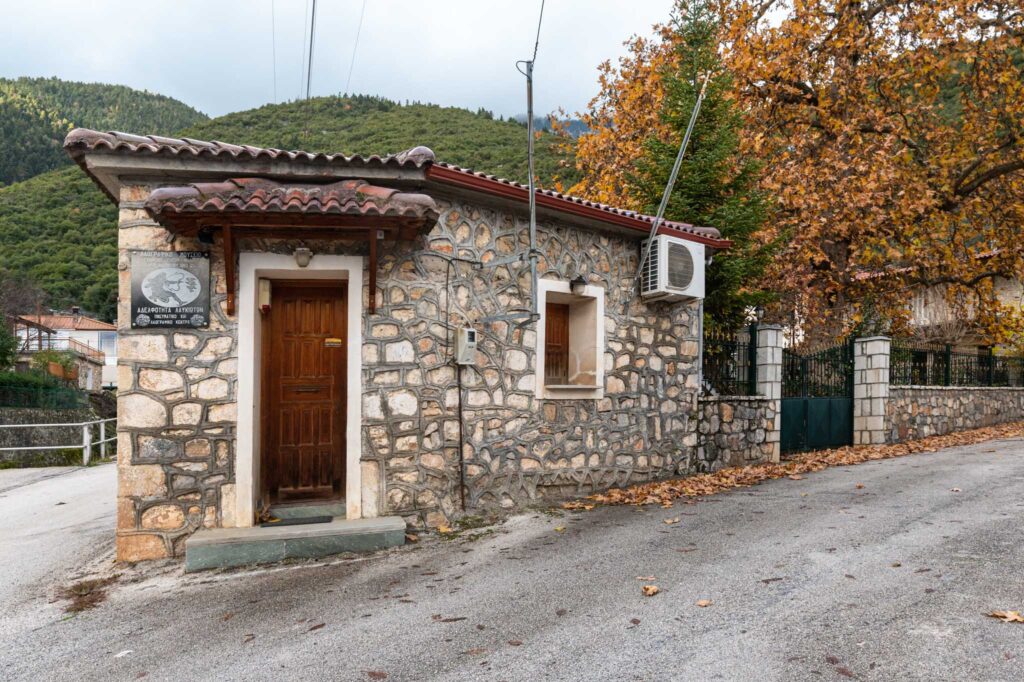
Lafka
Near Lake Stymphalia, home to the Folklore Museum with objects of local tradition.
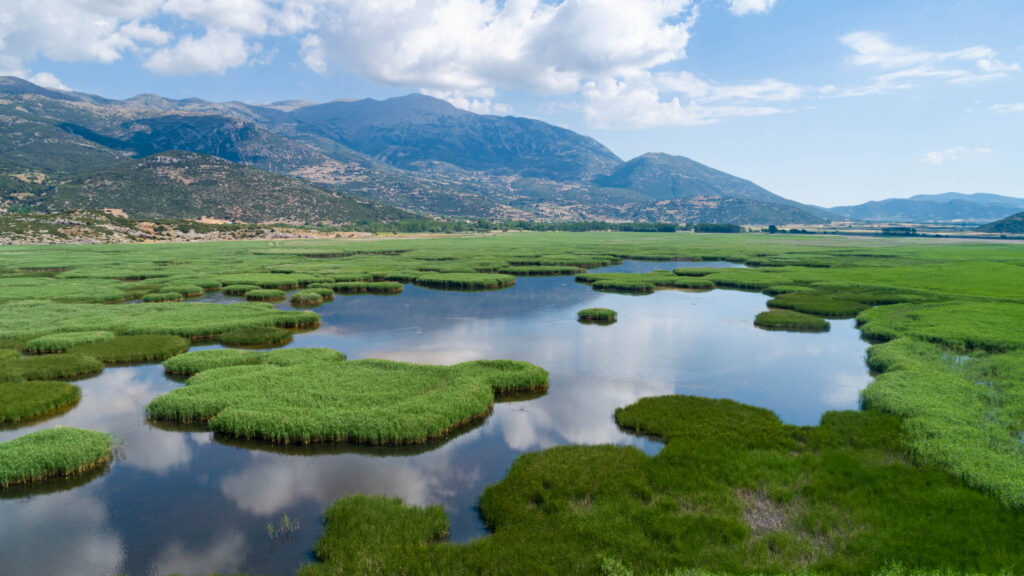
Stymphalia & Feneos
Stymphalia, with its mythical lake, and Feneos, with scenic Lake Doxa, offer unique landscapes in every season.
See them all on the interactive map or in Excursion to the villages.
The Verdant Slopes of Kastania
Nestled deep within the fir-clad folds of Mount Kyllini (Ziria), Kastania stands as one of the most picturesque high-altitude retreats in Sikyonia. As the name suggests, the village is inextricably linked to the chestnut trees that populate the surrounding slopes. In autumn, the landscape transforms into a tapestry of ochre and gold, while in winter, the stone chimneys puff white smoke against a backdrop of snow-capped peaks.
Visitors to Kastania often find themselves drawn to the tranquility of the mountain air. The village layout follows the natural contours of the land, offering glimpses of the Corinthian Gulf in the far distance on clear days. The forest paths starting from the village edges are ideal for hikers, leading through dense stands of black pine and Kefalonian fir. These trails eventually connect to the higher plateaus of Ziria, making the village a vital hub for those seeking the rugged beauty of the Peloponnesian highlands.
Kaisari and the View of the Peaks
Moving across the western ridges, the village of Kaisari offers a different perspective of the Sikyonian hinterland. Known for its traditional stone fountain and the ancient plane trees that provide shade to the central square, Kaisari serves as a gateway to the wilder parts of the municipality. The architecture here remains remarkably consistent with the local “mastoroi” (master stone builders) style, featuring thick walls designed to withstand the mountain winters.
From Kaisari, the road winds toward the plateau of Stymphalia, offering panoramic views of the basin below. The village is particularly famous for its connection to the mountain’s water sources; the “Trani Vrysi” is not just a landmark but a symbol of the village’s historical self-sufficiency. For those interested in the flora of the region, the meadows around Kaisari are a haven for wildflowers and endemic herbs that have been harvested by locals for generations.
The Wine and History of Bozikas and Titani
In the transition zone between the high mountains and the coastal plains of Kiato lie the villages of Bozikas and Titani. This area is defined by its deep viticultural roots. The rolling hills are covered in vineyards, many of which produce the grapes used in the renowned wines of the wider Corinthian region. The microclimate here, influenced by both the mountain breezes and the proximity to the sea, creates the perfect conditions for a variety of local cultivars.
Titani carries the weight of millennia. Located near the site of Ancient Titani, which was once a significant sanctuary and medical center dedicated to Asclepius, the village bridges the gap between the modern Sikyonian lifestyle and the myths of old. The ruins of the ancient acropolis still overlook the Asopos river valley, providing a silent testimony to the strategic importance of these hills in antiquity. Today, the village remains a quiet agricultural community where the pace of life is dictated by the harvest cycles.
Kryoneri: A Window to the Heavens
Perched at an elevation that commands the entire Sikyonian landscape, Kryoneri is perhaps best known for hosting the Kryoneri Observatory. Established here due to the exceptional clarity of the night sky and the lack of light pollution, the observatory makes the village a focal point for scientific research and astro-tourism. The sight of the massive telescope dome against the rugged mountain terrain is a striking juxtaposition of modern science and traditional rural life.
Beyond the stars, Kryoneri is a vibrant community that has actively preserved its cultural heritage. The village square is the heart of social life, where traditional tavernas serve local meats and cheeses. The surrounding area is also known for its olive groves and honey production, with the local fir honey being a sought-after delicacy for visitors passing through on their way to the higher altitudes.
The Monasteries and Hidden Gems of Feneos
The Feneos basin, often referred to as the “Peloponnesian Switzerland,” is home to several smaller settlements that cling to the surrounding slopes, such as Mosia and Mesino. However, one of the most spiritual and architecturally stunning sites in this part of Sikyonia is the Monastery of Panagia tou Vrachou (Virgin of the Rock) near Kato Tarsos. Built into a vertical limestone cliff, the monastery offers a breathtaking view of the valley and is a testament to the religious devotion that has characterized these mountains for centuries.
The upper and lower villages of Tarsos themselves are relics of a different era. Though small, they contain exceptional examples of post-Byzantine ecclesiastical art. Exploring these villages feels like stepping back in time, as the modernization seen on the coast has yet to alter the stone-paved paths and the ancient oak trees that guard the village entrances.
Culinary Traditions of the Sikyonian Uplands
No exploration of the mountain villages is complete without sampling the local gastronomy. The high-altitude plains of Stymphalia and Feneos provide a unique terroir for legumes. The “Vanilies” beans of Feneos are a Protected Geographical Indication (PGI) product, celebrated for their thin skin and buttery texture. In the village tavernas, these are often served as part of a hearty “fasolada” (bean soup) or baked in the oven with local herbs.
- Sikyonian Lamb and Goat: Raised on the wild herbs of Ziria, the meat in these mountain villages is of exceptional quality, typically roasted on a spit or cooked in clay pots.
- Handmade Pasta: Look for “hylopites” and “trahanas,” which are still produced by local women’s cooperatives using traditional recipes.
- Wild Greens (Horta): Depending on the season, the mountainside provides an abundance of edible greens, often served with a generous pour of local olive oil and lemon.
- Walnuts and Honey: The combination of the walnut groves in villages like Kaisari and the fir forests provides the raw ingredients for the region’s signature sweets.
Planning Your Highland Excursion
The mountain villages of Sikyonia are accessible via a network of winding roads that climb steadily from the coastal hub of Kiato. While the primary routes are paved, some of the most beautiful hidden spots are reached by gravel paths that require a more adventurous spirit. Whether you are seeking the scientific wonders of Kryoneri, the mythical echoes of Stymphalia, or the serene forests of Kastania, the Sikyonian highlands offer a profound contrast to the sun-drenched beaches of the Corinthian Gulf.
When visiting, it is recommended to travel slowly. The charm of these villages lies in the details: the sound of goat bells in the distance, the smell of burning wood in the winter air, and the hospitality of the locals who are always ready to share a story about their mountain home. Each village, from the largest settlement to the smallest hamlet, contributes a piece to the mosaic of Sikyonian tradition.
See it on an organised trip
Organised excursions by Lia’s Travel, departing from Kiato and Corinthia.
Sights & things to do nearby
All of them inside the Municipality of Sikyona — Kiato and its villages.
Take this page with you
Scan with your phone camera to open it on the go.
Things to do there — Kiato & Corinthia
Optional tours, tickets and activities for your days here — you choose what suits you.
Activities, experiences and local guides — book ahead and skip the queues.
See options →A guided day with transport from Athens to Ancient Corinth and Nafplio, with free cancellation. Also: Corinth Canal & wine tasting, Ancient Corinth half-day
See options →Compare prices from all the major rental companies, with free cancellation on most offers. Also: Loutraki, Nafplio, Argos
See options →Activities are provided and sold by our partners. You complete the booking on their own page, at exactly the same price.
Before you arrive
Land in Kiato already connected
Skip the SIM counter and the roaming bill. MyEsim is a Greek eSIM app — you set the plan up at home and it activates the minute you land, so the map works before you even leave the station. Visit Kiato readers get 10% off.
- 180+ countries
- Ready in minutes
- Support in English & Greek
Enter the code at checkout on myesim.gr. Works on iPhone XS and newer and on most Android phones from 2019 onwards.